Audience and market
Define intended buyer, destination and channels. Identify required product information and compliance questions. A school purchase and retail FPV sale need different instructions and support resources.
Send your BOM, target market and annual volume. Our team will map compatible parts and documentation.
Upload your BOM ↑Request engineering samples →Send your BOM, target market and annual volume. Our team will map compatible parts and documentation.
Upload your BOM ↑Request engineering samples →Send your BOM, target market and annual volume. Our team will map compatible parts and documentation.
Upload your BOM ↑Request engineering samples →Send your BOM, target market and annual volume. Our team will map compatible parts and documentation.
Upload your BOM ↑Request engineering samples →Send your BOM, target market and annual volume. Our team will map compatible parts and documentation.
Upload your BOM ↑Request engineering samples →Send your BOM, target market and annual volume. Our team will map compatible parts and documentation.
Upload your BOM ↑Request engineering samples →Send your BOM, target market and annual volume. Our team will map compatible parts and documentation.
Upload your BOM ↑Request engineering samples →Send your BOM, target market and annual volume. Our team will map compatible parts and documentation.
Upload your BOM ↑Request engineering samples →OEM and ODM · Private label
A private label program is more than a logo on a sample. A distributor or brand needs an approved assortment, accurate product data, distinct variant codes, packaging, replenishment rules and a clear after sale route. The hardware behind the brand must remain traceable when a connector, firmware or supplier changes.
Sichuan Yuanxin Supply Chain Technology Co., Ltd. welcomes project inquiries about FPV and RF components and drone soccer equipment. Send the proposed models, market, quantity and brand scope. Availability, customization, commercial terms and rights must be confirmed for the actual products.
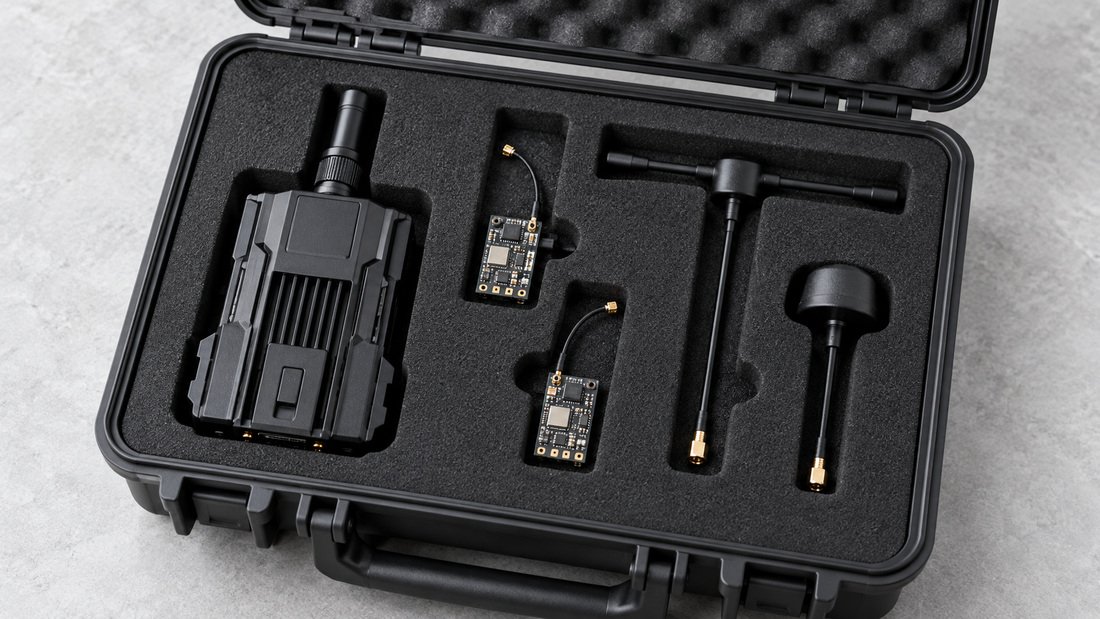
Start with the assortment
A school equipment line, FPV retailer and system integrator will not need the same assortment. Define the customer and purchasing problem before choosing which parts to brand. The goal is a coherent range whose variants can be understood, stocked and supported.
For an FPV or RC audience, the range might focus on ExpressLRS receivers, transmitter modules, antennas, flight controllers, ESCs or propulsion sets. Each part requires exact technical identification. A receiver's band, output and firmware, or an antenna's frequency, polarization and connector, must be represented accurately. A branded family name can sit above those details but should never hide them.
For schools and clubs, a range may begin with a drone soccer system and the parts that keep it operational: protective shells, batteries, chargers, controllers and tools. The brand owner should map every spare to the equipment version that uses it. A kit name such as “classroom” does not establish the number of aircraft, charging capacity or training service included. Approve the actual contents and buyer instructions before marketing the package.
For an integrator, a smaller set of well documented components can be more valuable than a broad catalog. Choose parts with stable variants, current drawings, compatible interfaces and a route for reporting changes. Ask for samples and evaluate them in the intended assembly. A private label may affect the outside of the product but it does not remove the need for engineering acceptance.
Product identity
Create a mapping from supplier model and revision to the customer's SKU, title, package and support record. Include frequency, connector, firmware, color or contents wherever they distinguish orderable variants. If a buyer reorders six months later, the purchasing team should know whether it is asking for the same configuration or a compatible replacement. A photograph is useful, but it cannot replace a controlled variant description.
Decide how changes are communicated. A new firmware image may alter behavior without changing the PCB. A connector or antenna change can affect compatibility. A packaging change may leave the hardware unchanged while altering instructions or included accessories. Classify changes by impact and agree which require notice, a sample or new approval. The brand owner may need to update its public listing, instructions or customer support guidance.
Record claims with their evidence. A retail description can say what a product is intended to do and which configuration was checked. It should avoid universal compatibility, unqualified range, flight time or approval claims. Where a performance figure is important, retain the test setup. Where a document is needed for a market or shipment, confirm it applies to the branded configuration rather than borrowing a file from an adjacent model.
Ownership should be explicit. The brand owner controls its trademark and customer-facing story; engineering files, firmware and tooling may involve different rights. A private label agreement should say what can be reused, what is exclusive if anything, who approves artwork and who holds the current product data. A logo printed on goods does not by itself establish exclusivity or design ownership. Buyers should also agree on the treatment of unsold branded materials and the right to use product photographs after the supply relationship ends. These practical terms prevent a later disagreement during replenishment or a product redesign.
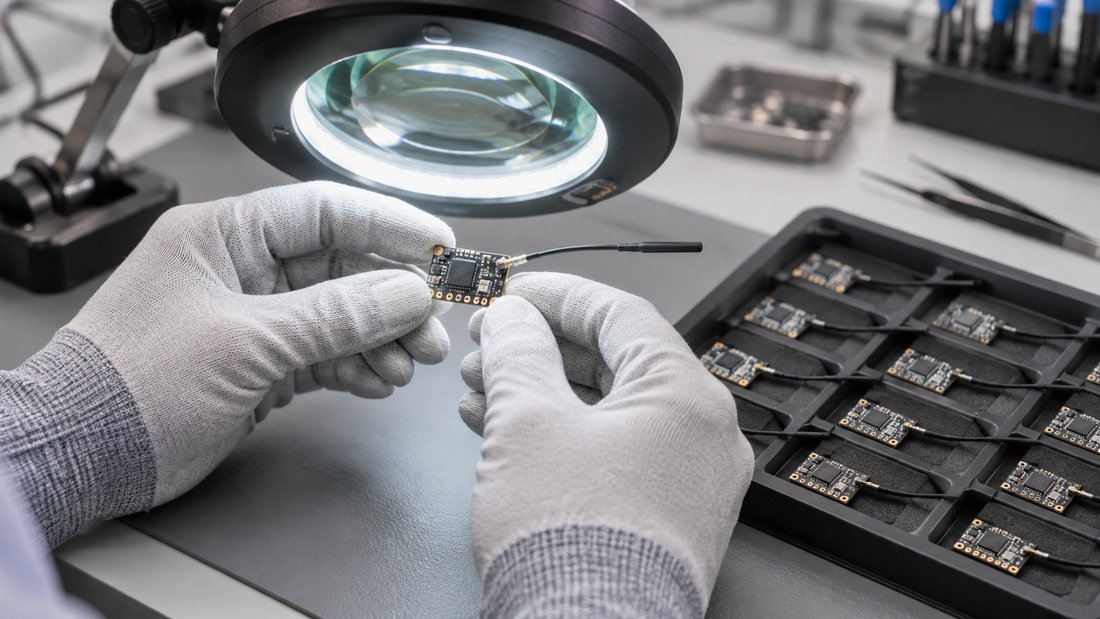
Program sequence
Define intended buyer, destination and channels. Identify required product information and compliance questions. A school purchase and retail FPV sale need different instructions and support resources.
Choose exact models, connectors, bands, firmware and included parts. Create the supplier-to-brand SKU map. Sample each material variant that the brand will sell, not only the first product photo.
Check samples in the intended equipment. Record compatibility, packaging contents and any conditions behind performance claims. Resolve technical differences before making artwork or retail listings final.
Approve logos, labels, manuals, photos, warnings and box materials. Verify that customer-facing claims match the approved variant. Use a physical proof when pack fit or print quality matters.
Agree on quantity, revision, inspection, substitutions, lead time and delivery terms. Keep the artwork and technical release together. Check a first packed unit before the entire batch is closed.
Use the controlled SKU map for repeat orders. Maintain spare stock and a route to identify lots and revisions. Review field feedback without silently changing a product that customers already know.
Brand presentation
A catalog image is often the first specification a customer sees. Use a photograph of the actual variant, with the correct connector and accessory count. Avoid using a generic photo of a related receiver or motor if the pictured detail differs from what will ship. The supplied media sheet contains many useful images, but its filenames do not prove the model or ownership of every image. Have the product owner approve imagery for each branded SKU.
Packaging should help a warehouse worker and end user make the same correct identification. Put key variant information where it can be read. Test the printed pack with several similar products side by side; if staff can pick the wrong band or connector easily, improve the label. For a school kit, provide a simple contents list and a way to reorder parts. For electronics, include the current wiring or setup destination and indicate where updates can be found.
Review written claims as if a customer might act on them without calling support. If a package says “ready to fly,” identify all items and setup steps required. If it says “compatible,” list the specific tested configuration. If it refers to a battery transport document or radio approval, confirm the exact evidence and scope. Marketing language should never overrule the actual technical record.
Decide who maintains the online listing after a revision. Product page, downloadable manual, carton and distributor data feed should agree. If a component change affects a public claim, update the claim before selling the new stock. Keep older manuals or records identifiable for customers who own the previous revision.
Commercial planning
Ask for sample and production pricing against exact configurations, quantities and packaging. Identify separate costs for artwork, printing, tooling, testing or custom engineering. MOQ, lead time and pricing may differ by product and variant; the supplied information does not support one blanket figure. A branded box can have a different production schedule from the hardware, so plan the complete sellable pack.
Discuss replenishment forecasts without presenting uncertain demand as a guaranteed order. A distributor may start with a controlled assortment, learn from sell-through and then expand. If printed custom materials are ordered in advance, agree who pays for unused stock if a design changes. If a component becomes unavailable, require a proposed substitution and an opportunity to evaluate it before branded goods are assembled.
Territory or exclusivity should not be inferred from a distributor inquiry or private label logo. If requested, define product scope, geography, term, performance conditions and rights in an agreement. Likewise, a custom design may contain the buyer's files, supplier know-how and third-party components. Set ownership, license and support obligations before paying for development.
Clarify customer service ownership. A brand may handle first-line questions while the supplier investigates suspected component defects; another arrangement may fit a school procurement program. Agree on the data needed for a claim, the route for a replacement part and how a firmware or hardware update is communicated. The published warranty should match the written policy for the actual product and market.
Launch and learning
Start with a small number of clearly differentiated products. A brand launching ten receiver variants at once may struggle to keep photos, firmware guidance and spare antennas correct. Test whether a customer can choose the correct part from the listing, recognize it on delivery and install it using the supplied instructions. Ask someone outside the project team to place a mock order; their confusion often reveals a naming problem before printed boxes and sales material are committed.
Run an internal comparison of product page, quote, invoice, carton and technical sheet. The model, band, connector and included accessories should agree across each surface. If the marketplace title is shortened for search, ensure the decisive variant details remain visible. A customer should not need to infer that “dual-band” means a particular antenna or firmware combination. Explain the tested use and state what still depends on the buyer's equipment.
Choose images that answer a purchase question. A hero photograph can show the product family, but a connector close-up, board front and back, scale reference and included contents may resolve more returns. The photo must depict the offered item. If a product is custom branded only on the package, do not create an image that suggests the electronics themselves carry a logo. Keep source image rights and edit history for future distributors.
Plan initial stock against the rate at which customers can learn the line. A school may buy a system first and need spare shells several months later. An FPV reseller may need replenishment of a popular receiver variant quickly while a niche variant moves slowly. A program should identify what can be reordered independently, what is bundled and what happens when one component is revised. Ask about the availability of critical spares before promising long-term fleet continuity.
Use support inquiries as product data. If several buyers confuse antenna connector types, improve the listing and packaging. If installers repeatedly wire a board incorrectly, verify whether the diagram or labels need correction. If a school cannot distinguish a charger from another kit, review the storage and identifier system. Changes to copy and instructions can be valuable, but they should be versioned alongside hardware so existing customers receive the correct guidance.
Finally, review the launch with the people who will handle orders and returns. Confirm that sales can quote the correct variant, warehouse staff can pick it, support can identify its revision and the brand owner can approve a future change. These operational checks determine whether a private label range remains credible after its attractive first shipment.
Before expanding into another market, review whether the same product data, instructions and documentation still apply. A brand may reuse a familiar name, but languages, spectrum rules, battery transport needs and importer details can differ. Assign a person to approve each market listing and track which physical variant it describes. This process helps a distributor avoid presenting a component as universally approved merely because it sold well in the first market. The brand promise should follow verified scope, not precede it.
Frequently asked questions
It is a component or system sold under the buyer's brand under agreed terms. The underlying hardware may remain standard or be modified. State the exact product, branding and technical scope; the label alone does not establish exclusivity, design ownership or new performance. A useful agreement connects the brand SKU to the actual supplier model and revision.
Ask about the exact receiver model, frequency band, antenna, output, firmware and quantity. Define where the brand appears and whether the hardware remains unchanged. Test a sample with the intended transmitter and aircraft. Confirm rights to any firmware or imagery and avoid suggesting that a new label creates a new radio certification.
Describe the program, exact aircraft, accessories, spare parts, packaging and intended users. Confirm kit contents and current configuration before artwork approval. Schools may value reusable storage, clear labels and teaching instructions. Any training or event service should be quoted separately rather than implied by a branded box.
The supplied materials do not establish one. Product type, number of variants, printing method, packaging and any hardware change affect minimum quantities. Request a quote for the proposed assortment and volumes. Ask which costs apply to samples, artwork, print setup and production stock, and how unused branded materials will be handled.
Ownership depends on the agreement. A standard product with your logo is different from a commissioned custom design. Identify buyer-supplied files, new engineering outputs, tooling, firmware and third-party rights. Put license and delivery terms in writing before assuming that a purchase grants source files or exclusive rights.
Only when it does not mislead a buyer about connector, antenna, color, included accessories or other material differences. Prefer variant-specific images and captions. The supplied media inventory should be checked for actual subject and permission. A customer-facing listing should depict what ships or clearly identify an illustrative image.
Map the brand SKU to supplier model, hardware revision, firmware, packaging and approved sample. Define notice triggers and approval for substitutions that affect performance, fit or claims. If a change is accepted, update product data and support records. A familiar SKU must not silently conceal a materially different part.
No such universal claim is supported. Compatibility depends on the exact interface, voltage, protocol, dimensions, firmware and other system details. List configurations that have been checked and describe any important limits. For a new aircraft, evaluate a representative sample. Marketing copy should follow the evidence rather than broaden it.
Set first-line and escalation responsibilities in the commercial agreement. Decide what information the brand will collect: order, model, revision, firmware, wiring and symptoms. Determine how replacement parts and updates are handled. Do not publish a support or warranty promise until the process and terms are agreed.
No. Availability and applicability depend on the exact hardware, battery or radio configuration, destination and requested document. Identify requirements early and request product specific evidence. A new brand label or physical change may affect the final product obligations. The responsible specialists should review claims before launch.
You can raise it in a commercial discussion, but exclusivity is not implied by a private label purchase. A written agreement would need to define the products, territory, duration, conditions and what happens if a model changes. Continue evaluating product quality and support separately from territory terms.
Send your target buyers and markets, chosen products and variants, sample and initial order quantities, brand assets, packaging needs and target date. Add required documents and support expectations. If the assortment is still uncertain, propose a small shortlist and identify the decision criteria. This helps the team quote a defined line rather than a generic logo service.
Create a coherent line
Share the products you want to sell and the support your customers need. Then scope identity, packaging and supply.