Define the aircraft
State mass, propeller envelope, battery, expected duty and performance priority. Include protective structures or payload. Clarify which dimensions and components cannot change.
Send your BOM, target market and annual volume. Our team will map compatible parts and documentation.
Upload your BOM ↑Request engineering samples →Send your BOM, target market and annual volume. Our team will map compatible parts and documentation.
Upload your BOM ↑Request engineering samples →Send your BOM, target market and annual volume. Our team will map compatible parts and documentation.
Upload your BOM ↑Request engineering samples →Send your BOM, target market and annual volume. Our team will map compatible parts and documentation.
Upload your BOM ↑Request engineering samples →Send your BOM, target market and annual volume. Our team will map compatible parts and documentation.
Upload your BOM ↑Request engineering samples →Send your BOM, target market and annual volume. Our team will map compatible parts and documentation.
Upload your BOM ↑Request engineering samples →Send your BOM, target market and annual volume. Our team will map compatible parts and documentation.
Upload your BOM ↑Request engineering samples →Send your BOM, target market and annual volume. Our team will map compatible parts and documentation.
Upload your BOM ↑Request engineering samples →OEM and ODM · Propulsion matching
A motor is not selected from KV, diameter or peak thrust alone. The propeller, ESC, battery, aircraft mass, airflow, duty and desired handling together determine whether a propulsion combination is useful. A matching discussion should begin with the build and a measurable goal.
This page helps B2B buyers prepare requirements for Sichuan Yuanxin Supply Chain Technology Co., Ltd. Actual motor availability, test data, supported combinations and engineering scope must be confirmed for the quoted variant. We do not state a universal flight time, thrust or efficiency result without the setup that produced it.
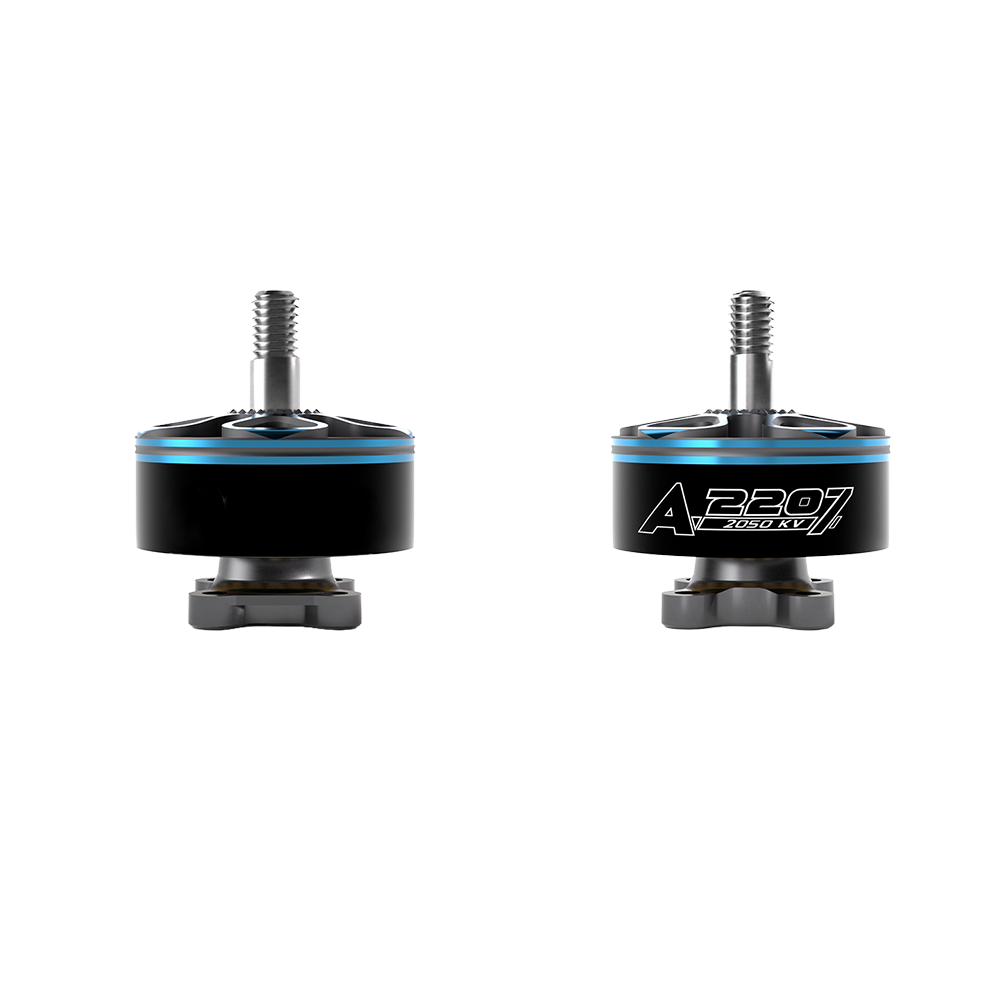
The design question
Define aircraft type, all-up mass, propeller size limit, battery chemistry and cell count, expected maneuvering, operating environment and allowable heat. A five inch racing aircraft, an eight inch platform and a protected drone soccer aircraft will not make the same trade-offs.
The motor converts electrical input into mechanical rotation, but the propeller determines how that rotation interacts with air. The ESC has to control the motor under the chosen load, and the battery must deliver the required current without exceeding its safe operating limits. A frame constrains propeller clearance and mounting. A recommendation for one item should therefore identify the other items used in the evaluation.
Describe the decision you want to make. Are you comparing acceleration, hover efficiency, sustained load, handling, noise, flight time or replacement cost? These objectives can pull in different directions. If you prioritize a fast response for racing, say what flight duration and thermal margin remain acceptable. If a school wants predictable short sessions, consider repeatable setup, protection and charging logistics as well as peak performance. An integrator may have a payload and duty cycle that call for another approach.
Provide a realistic mass estimate that includes battery, propellers, electronics, frame, guards and payload. If the build is not yet complete, give a range and say which parts are uncertain. A motor matching suggestion based on an incomplete dry airframe mass can be misleading after a protective cage or larger battery is added.
Parameters to document
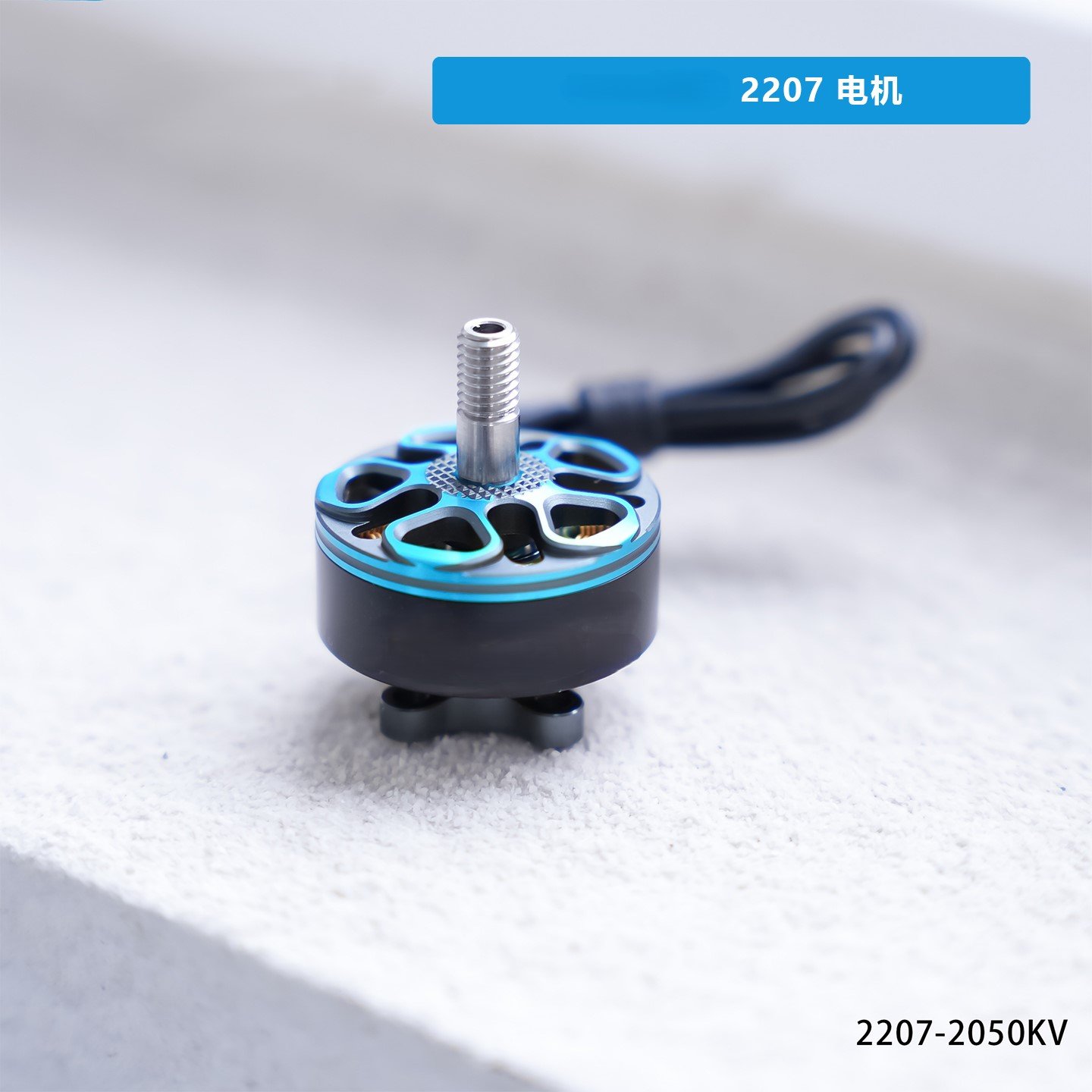
List motor model and winding or KV, stator or size designation, mounting pattern, shaft and connector details. Identify the ESC model, firmware and settings, propeller dimensions and pitch, battery pack and state of charge. Then define what was measured: thrust, current, voltage, input power, temperature, noise or vibration. The equipment, mounting, duration and ambient conditions matter. A table without a setup is difficult to use in an engineering decision.
Static thrust can help compare options but does not fully predict flight behavior. Airflow around the aircraft, propeller interaction, maneuvering and battery voltage changes affect actual use. Likewise, a short peak current observation does not establish safe continuous operation. Ask for the duration and thermal conditions behind a rating. If a supplier lacks the exact test data, plan a sample evaluation rather than turning a catalog figure into a system guarantee.
Fit also needs a physical check. Verify frame clearance at the propeller tips, motor mounting depth, screw length and cable path. An overlong screw can reach a motor winding; a poorly supported cable can rub against a propeller or frame. Confirm propeller direction and fastener choice in the assembly plan. For a protected drone soccer aircraft, inspect how a shell affects airflow and service access.
Document the selected combination as a revision-controlled kit or BOM. If a motor, propeller or battery changes, revisit the match. A distributor should not replace one item in a packaged “combo” without reviewing the published performance and instructions. A school should keep spares that correspond to its installed fleet rather than mixing superficially similar motor variants.
A matching workflow
State mass, propeller envelope, battery, expected duty and performance priority. Include protective structures or payload. Clarify which dimensions and components cannot change.
Compare motor, ESC and propeller as a set. Reject obvious mechanical or electrical mismatches. Check component availability and permitted battery configuration. Record why each candidate was considered.
Test candidates under the same declared setup where feasible. Measure relevant inputs and outputs over useful durations. Observe heat and unusual vibration. Use equipment and procedures suitable for rotating propellers and high-current power systems.
Install on a representative frame with the planned wiring and protection. Check clearance, rotation, settings and battery behavior. Field or flight evaluation should follow local rules and qualified operating procedures.
Record exact variants, test conditions and acceptance criteria. Confirm cable, connector and fastener details. A measured result applies to the configuration used, not to every combination with the same nominal motor size.
Agree on spare stock, labels and substitutions. A revised propeller or ESC firmware can change behavior. Keep the approved combination visible to purchasing and maintenance teams for future orders.
Typical buyer scenarios
FPV racing and freestyle: A pilot may prioritize responsiveness and recoverability after a crash. The airframe sets propeller clearance, while battery choice affects mass and voltage. Compare the desired handling with current draw and thermal behavior. Ask whether motor mounting and replacement are practical for the club's maintenance routine. A dramatic peak thrust figure by itself does not tell a team how the aircraft feels or how often parts will need attention.
Drone soccer: A protected aircraft operates inside a shell or cage and may experience repeated contact. The system must be evaluated with the guard installed because weight, airflow and service access can change. A school or club may need consistent aircraft behavior across many users and straightforward spare identification. Confirm the approved motor, propeller, ESC and battery for the actual package; do not mix components from different kit versions without review.
System integrators: Payload, operating time, environmental conditions and reliability goals may drive a more formal evaluation. Document the expected duty cycle rather than relying on a short bench result. If a design will be used in a regulated or critical setting, involve the responsible engineering and compliance specialists. The component supplier's proposal should state its measurement scope and any gaps in system-level evidence.
Distributors: A propulsion combo is easier for a buyer to understand when its contents are explicit and the compatibility evidence is traceable. Define whether propellers, ESCs, cables or hardware are included. Preserve the test setup behind claims and avoid comparing a result from one battery with a competitor's result under another. A customer return should be handled against the exact supplied variant and instructions.
Technical limits
Motor KV expresses a relationship under defined conditions; it is not a direct promise of speed, thrust or efficiency in an aircraft. A motor's size is likewise only one clue to its behavior. The propeller load, voltage and ESC control determine operating points. Ask for a tested combination and measurements relevant to the planned use, then evaluate a sample in the actual build.
Battery choice changes both available energy and aircraft mass. A larger pack may allow more energy but also require more power to lift and accelerate it. Flight time therefore cannot be calculated from capacity alone. Operating style, environmental conditions, battery health and reserve policy matter. For a school, predictable session length and charging management can be more valuable than a best-case endurance number.
Thermal limits are time-dependent. A motor or ESC that survives a short burst may not tolerate continuous load in a tight enclosure. Confirm airflow in the final frame and whether a protective shell impedes cooling. If a supplier provides temperature data, ask where and when it was measured. Do not translate a bench surface temperature into a guaranteed winding or semiconductor margin without an appropriate model or test.
Safety belongs in the evaluation plan. Rotating propellers and batteries can cause harm. Use qualified personnel, protective measures and suitable fixtures for any testing. The website can help a buyer frame technical questions, but it cannot replace a safe test procedure, the component manuals or local operating requirements.
A practical comparison plan
Begin by writing down the decision: perhaps the buyer needs a propulsion set for a five inch airframe that stays within a battery and propeller limit, or a protected drone soccer aircraft that can finish a typical supervised session. Select measurements that answer that decision. A table full of unrelated peak numbers can obscure the trade-off the team actually cares about.
Use the same reference battery condition and the same propeller model when comparing motors, where the comparison requires it. Record voltage under load rather than nominal voltage alone, and note the ESC and its settings. If one candidate uses a different propeller because it is intended for a different role, present the two complete combinations instead of implying that the motor alone caused the result. Measure over a duration relevant to the duty, not just an instant at the beginning.
Capture current, input power, useful output and temperature when the equipment permits. A change that raises thrust but dramatically increases current may affect the battery, ESC, connector and cooling. Noise or vibration may matter in a school or a tightly mounted system. Identify measurement uncertainty and any conditions where the test fixture differs from the aircraft. Static results should be treated as a screening step, then checked in the actual build by qualified personnel.
Plan how an approved combination will be supplied. A kit needs consistent motor, ESC, propeller and connector variants. If a propeller supplier changes its geometry while retaining a familiar size label, the earlier test may no longer describe the shipped set. Record approved manufacturers or measurable attributes and agree on substitutions. A school purchasing replacement parts should receive identifiers that match its fleet, while a distributor needs accurate package contents and a route to update its listing.
Review the cost of ownership as well as purchase price. A slightly cheaper motor may require a different propeller, mounting hardware or more frequent replacement. A longer flight goal may increase battery size and charging resources. A club may prioritize rapid repairs; an integrator may prioritize documented margins. These are buyer decisions, and the proposal should expose them rather than hiding them behind a single recommended SKU.
At release, keep the test record, approved sample and versioned BOM. State which performance statements are supported and what remains untested. If the aircraft, battery or software changes later, revisit the assumptions. Matching is an ongoing engineering decision for a real system, not a one-time declaration that a motor model is universally suitable. A useful proposal should make it easy for the buyer to repeat the selected configuration, explain the measured trade-offs to its own users and identify when a future change requires fresh testing. Keep the exact component labels and sample photographs with the record so a different variant is not accepted because its catalog name looks familiar. This is especially relevant when a buyer sources spares over several production cycles.
A motor matching record becomes especially useful when a buyer compares later replacements. The selected propeller may change material or geometry, the ESC may receive new firmware, and the battery may age in a school fleet. Each can alter the observed behavior even when the motor model remains the same. Record enough of the reference setup to know when a new measurement is warranted. This protects a distributor from reusing a claim after the underlying combination has changed.
Frequently asked questions
No. KV is one property of the motor. Consider the propeller, voltage, ESC, aircraft mass, thermal behavior and application. A high KV figure does not guarantee better performance or suitability. Ask for data tied to a complete tested combination and evaluate a sample in the intended build.
Contents depend on the quoted kit. Confirm motor count, ESCs, propellers, cables, fasteners and any instructions. The category title alone does not establish box contents. For a fleet, record the exact models and variants so replacement parts match the approved combination.
Review voltage, current under the planned propeller load, firmware or control protocol, connectors, mounting and thermal margin. A headline ESC rating may not describe continuous performance in the intended frame. Use datasheets and a representative test setup, then document the accepted combination and settings.
Not by itself. Flight time depends on battery, aircraft mass, pilot behavior, environment, reserve and the actual power profile. A static test chart provides one comparison under its stated conditions. Test the completed aircraft under representative use and report both the setup and observed result.
It can add mass, affect airflow and alter propeller clearance or service access. Evaluate the system with the actual protective structure installed. A motor that performs well on an open frame is not automatically the right choice inside a cage. Confirm the complete kit variant before ordering replacements.
The battery belongs to a tested motor, ESC and propeller combination. Confirm voltage range, discharge needs, connector, mass and safe charging guidance for the specific pack. Do not select battery capacity from a flight-time target alone. If the kit includes a battery, request its current specification and applicable shipping documents.
Use the same propeller, voltage, test fixture, ambient conditions and measurement duration where possible. Note current, power and temperature as well as thrust. Different setups can produce figures that look comparable but are not. Ask for the test configuration behind any published claim.
Physical mounting may be possible, but useful performance depends on the complete system. Propeller limits, mass, battery and cooling differ between frames. A model suited to one application may be inefficient or thermally stressed in another. Define the target build and test it before approving a production configuration.
Publish verified model and variant details, actual kit contents, supported configuration and the conditions behind performance data. Avoid a universal compatibility or flight-time claim. Provide clear replacement codes and installation cautions. Keep the public listing aligned with any later component or packaging revision.
Describe the required change, quantity, mounting, battery, propeller and performance goal. Feasibility, tooling, sample terms and tests require a project-specific assessment. A connector change can affect assembly and service; a winding change needs fresh evaluation. Do not assume the original model's published data applies to a custom version.
Confirm consistent aircraft configuration, protected operating space, battery and charger pairing, spare propellers or guards and a maintenance plan. Ask for exact kit contents and clear replacement codes. Instructors should test one representative unit and establish local safety procedures before scaling to a class.
Stop use as appropriate and send the exact motor, ESC, propeller, battery, firmware settings, aircraft mass and installation details. Include photographs, measurements and the conditions under which the issue occurred. Keep the affected parts for review. This helps separate a component fault from an overloaded or poorly installed combination.
Define the complete build
Ask for a quote or a technical discussion around the exact propulsion combination you intend to evaluate.