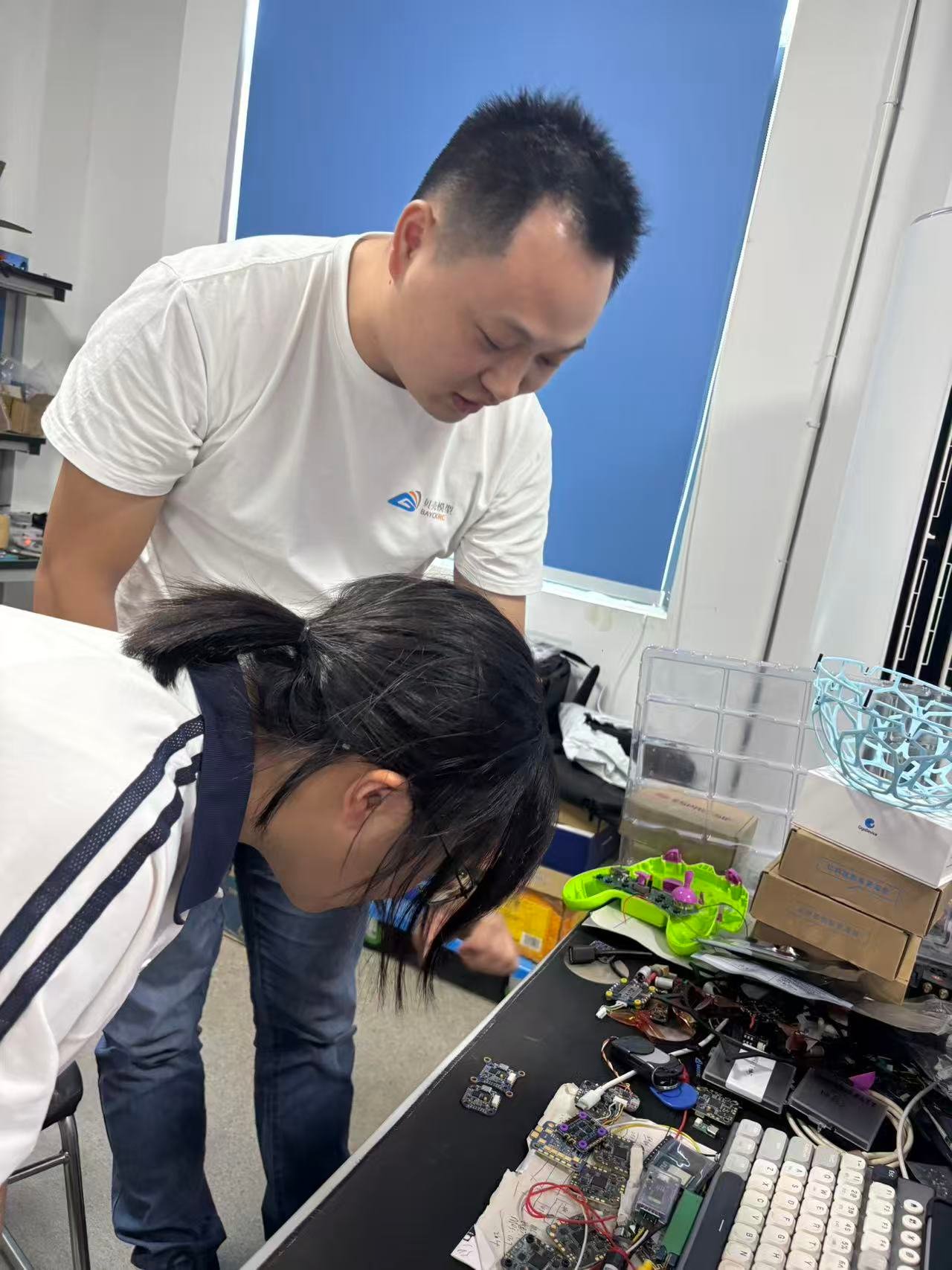
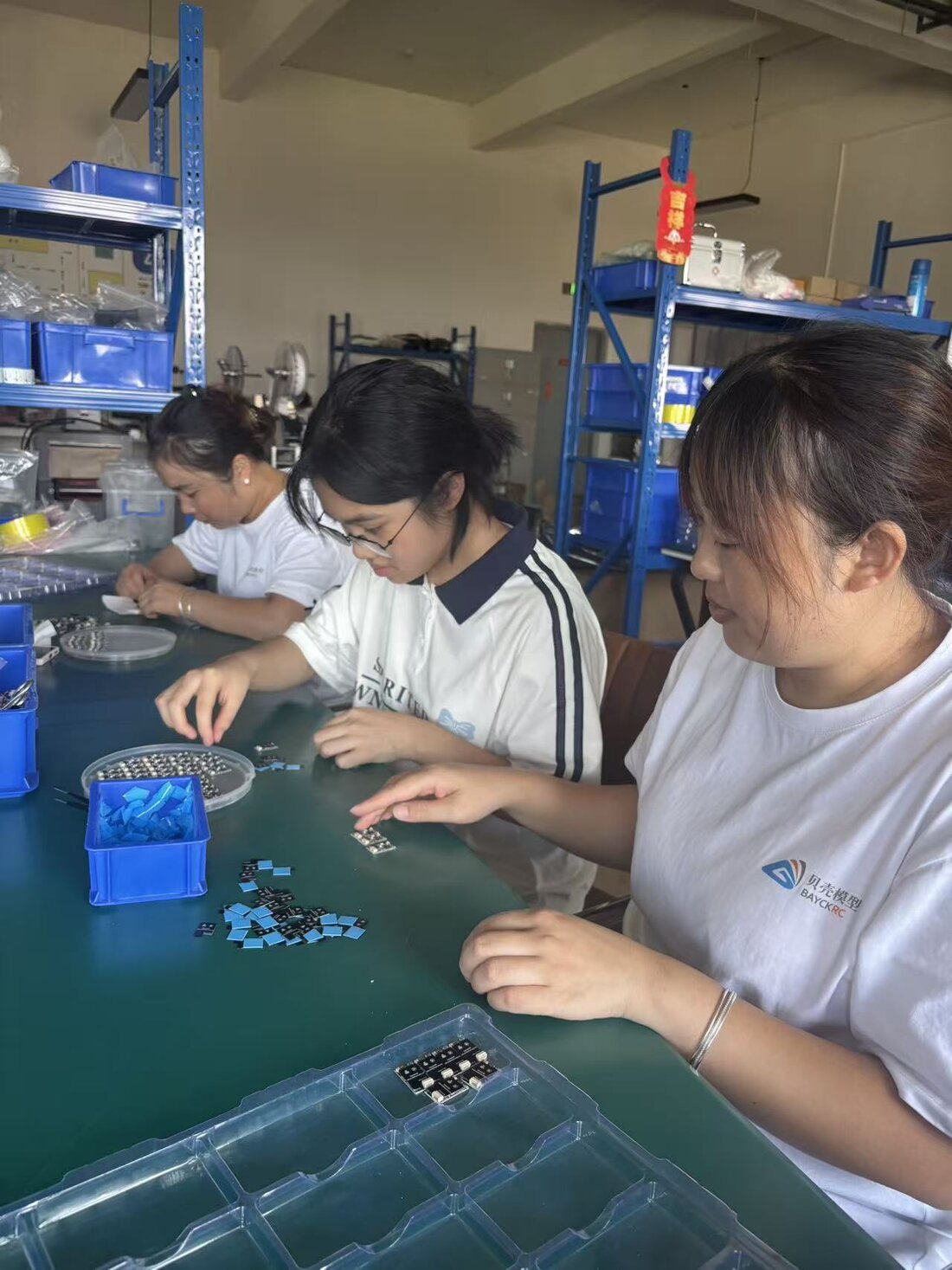
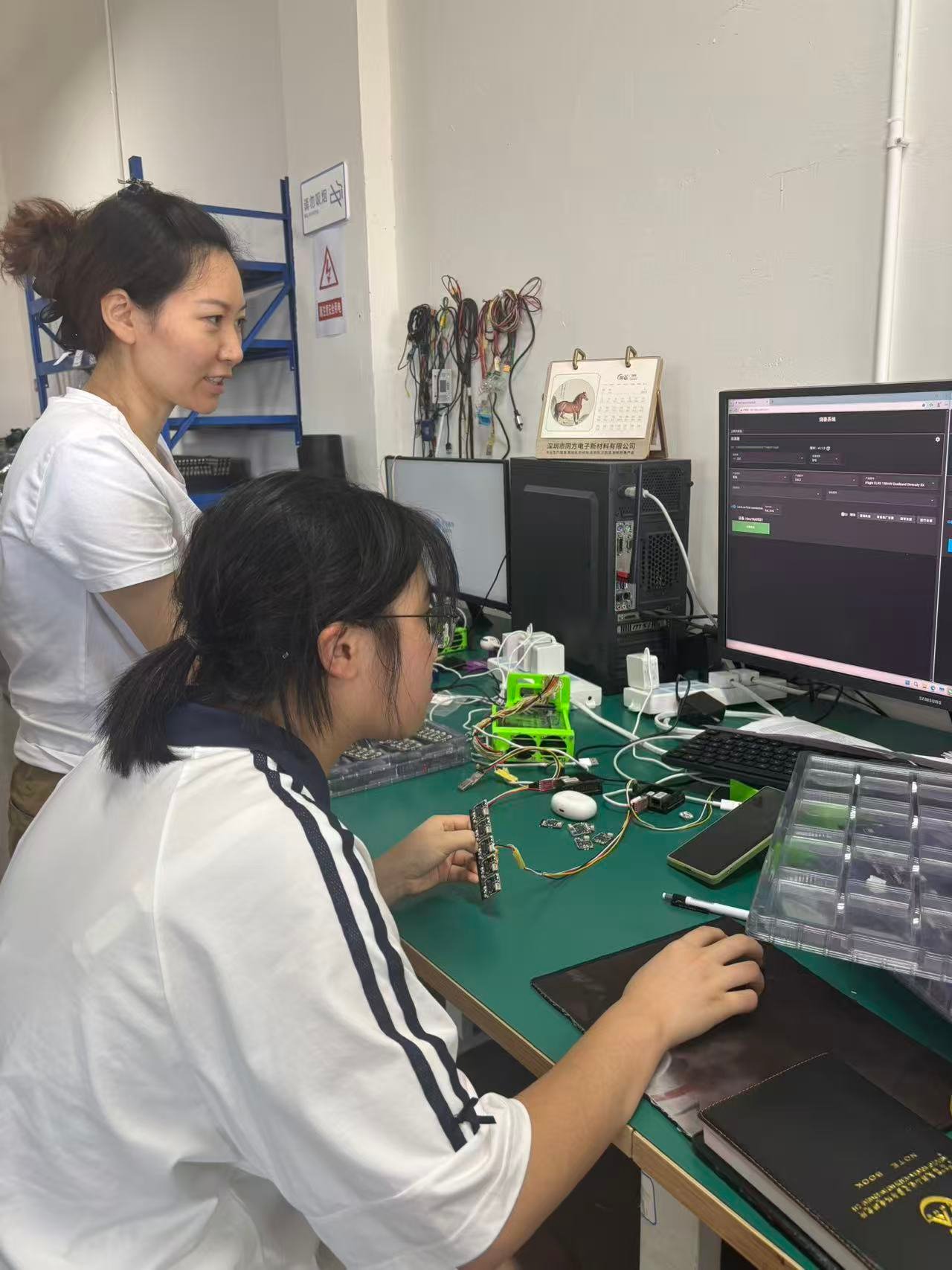
If the company later publishes a dated event history, each entry should be maintained like other business data. A product launch can become obsolete, a case study may require renewed permission, and a team member or facility photograph may no longer represent current operations. The site can show the original date while adding a note about present availability. That distinction helps a buyer understand what happened then and what can be purchased or discussed now. It also makes the history more credible than a string of undated superlatives.
Frequently asked questions
Questions about the company history
When was Sichuan Yuanxin founded?
The supplied company profile does not specify a founding date. We should not publish a year based on an inference from the business name, social credit code or website. Buyers who need the incorporation date for supplier onboarding should request the current registration document. A dated timeline can be added to this page once the company approves the dates and the supporting records.
What did the company do before drone soccer?
The company profile says it started with model aircraft parts services. It does not list every product, customer or location involved in that period. That early focus helps explain why component sourcing remains part of the current B2B catalog. It should not be taken as proof that any particular present-day product existed at the beginning of the business.
How did drone soccer become part of the business?
The profile describes development in drone soccer hardware and event operations but does not provide a detailed chronology. It also states the company's goal of making intelligent low altitude sport more accessible. A school or club considering a purchase should evaluate the current equipment and support proposal rather than infer package contents or service levels from the company story.
Has Yuanxin operated competitions?
The company introduction describes event operations and says its drone soccer products have appeared on competition stages. It does not identify specific events, dates, organizers or contractual roles in the documents supplied for this project. Ask the team for a verified case study if event experience is material to your procurement decision. A future page can add documented examples with appropriate permissions.
Does “Shuangliu made” identify the origin of every product?
No such conclusion follows from the supplied narrative. The phrase refers to the company's account of drone soccer development, but individual SKUs may have different production arrangements or components. If country of origin, facility location or manufacturing process matters to customs or procurement, request item specific documentation and include the required origin statement in the order terms.
Are all the company's products developed in house?
The profile speaks of R&D and technology development but does not provide a SKU-level ownership map. A buyer should ask which part of a proposed product was designed by Yuanxin, which parts are sourced, and what rights or support apply to a customization. This distinction is particularly important for firmware, PCBA design files, tooling and private label projects.
Can the site provide a dated list of milestones?
A reliable list requires records that were not included with this brief. The present page uses a supported sequence without dates. The company can add a dated milestone after verifying a record such as a registration extract, approved announcement, product release document or event agreement. Each milestone should say what happened and why it matters to a present-day buyer.
What is the link between historical parts service and the current RF catalog?
Both involve selecting components for an actual aircraft or radio system. The history explains the company's stated evolution, while the current catalog provides distinct model pages for receivers, transmitters and antennas. Compatibility cannot be inferred from this shared story. The buyer still needs current frequency, firmware, connector, voltage and integration details for the specific configuration.
Does past event activity include training services today?
That is not established by the supplied profile. An organization should describe the desired service, location, dates, audience and responsibilities in its inquiry. The team can then say whether an event, training or equipment-only scope is available. Any proposed service should be defined in a written quotation rather than assumed from a company history page.
How should a distributor assess the company over time?
Look at current evidence: legal identity, active catalog, samples, product documentation, revision control, packaging accuracy and actual order performance. Ask what happens when a model changes and how support requests are handled. Historical claims may help establish context, but repeatability of the exact goods and communication on current orders matters more to your customers.
Can I use the company's history in my own marketing?
Request written approval for company descriptions, logos, event claims, photographs and customer references before republishing them. A distributor should also confirm that product claims match the current model and destination market. The brief supplied to us does not grant rights to reuse third-party images or statements. Keep approved wording and assets on record for later catalog updates.
What is the next step if I want a partnership?
Send the company your market, customer group, proposed products, expected volume and the service or territory you hope to discuss. If you need a sample or technical document to assess fit, identify the exact model. The partnership conversation can then address present capabilities and terms. The history supplies background, but the current proposal and agreement govern the actual relationship.